
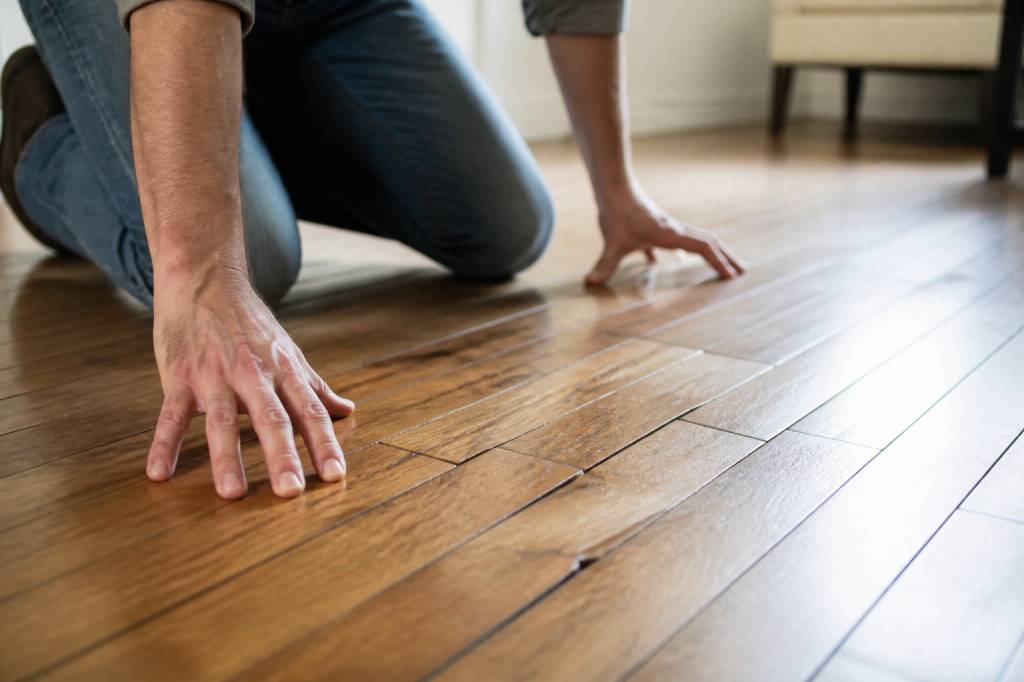
A creaking floor can make a perfectly quiet home sound like an old sailing ship. One step near the hallway produces a sharp squeak, another creates a low groan, and suddenly you start wondering whether the entire floor is moving beneath you. The good news is that most floor creaks are not a sign of serious structural damage. They are usually caused by movement between flooring components, changes in moisture, or loose fasteners.
Still, the sound should not be ignored completely. A new creak may point to a small problem that is easy to fix today but more expensive to repair later. The key is to identify where the noise comes from, understand what is moving, and choose a repair that addresses the cause rather than simply silencing the symptom.
Why does a floor start creaking suddenly?
Floors are made from several layers that work together: the visible flooring, the subfloor, joists, fasteners, and sometimes underlayment. When two of these components rub, flex, or separate slightly, friction creates the familiar squeak.
A floor can begin creaking “all of a sudden” even if it has been quiet for years. Homes are constantly moving in small ways. Wood expands and contracts with temperature and humidity, fasteners can loosen, and heavy furniture may put new pressure on a particular area. Seasonal changes are especially common triggers. A dry winter can shrink timber enough to create gaps, while humid weather can make boards swell and press against one another.
In many cases, the noise is caused by movement of only a few millimetres. That is enough to annoy everyone in the house, particularly when the creaking happens near a bedroom or staircase.
Common causes of a creaking floor
Loose nails or screws
Traditional timber floors and subfloors are often secured with nails. Over time, repeated foot traffic can cause those nails to loosen slightly. The subfloor then moves against the joist or the nail shaft, producing a squeak.
Screws can also become loose, although they generally hold better than nails. If the original installer used too few fasteners, or if the subfloor was not properly fixed during construction, movement may gradually become more noticeable.
Gaps between the subfloor and joists
The joists are the horizontal structural members supporting the floor. Ideally, the subfloor should sit tightly against them. If there is a small gap, the subfloor can flex every time someone walks over it. That movement creates friction at the contact points and may eventually loosen the fasteners even further.
This problem is particularly common in older homes, where timber may have dried and changed shape. It can also occur when a subfloor was installed over uneven joists.
Wood expansion and contraction
Wood is a natural material, so it responds to moisture in the air. During humid months, boards absorb moisture and expand. In dry conditions, they lose moisture and contract. These changes can create gaps between boards or place pressure on joints.
Engineered wood and laminate flooring are more dimensionally stable than solid timber, but they are not completely immune. If the room lacks an expansion gap around the edges, the flooring may press against the walls and begin to creak or buckle.
Rubbing between floorboards
In a solid wood floor, individual boards may rub against one another as they move. The sound is often higher-pitched and can appear along a seam or near a doorway. Sometimes a damaged tongue-and-groove joint is responsible. In other cases, dirt or debris has worked its way between boards.
Problems with underlayment
Floating floors, such as many laminate and engineered wood systems, are not nailed directly to the subfloor. They rest on an underlayment. If the underlayment has compressed, shifted, or been installed over an uneven surface, the top flooring can move underfoot.
A creak from a floating floor may sound different from a traditional timber-floor squeak. You may hear a hollow click, a rubbing noise, or a series of small snaps as you walk across the room.
Changes beneath the floor
Plumbing, ductwork, and electrical cables can occasionally rub against joists or the underside of the subfloor. When the floor flexes, one of these components may move and create a sound that seems to come from the flooring.
This is one reason not to drive a screw into the floor without first checking what is below it. A well-intentioned repair can damage a pipe or cable if the fastener is too long or placed in the wrong location.
How to locate the source of the noise
Finding the exact spot is often the hardest part of the repair. A creak may travel through the framing, so the point where you hear it most clearly is not always the point where the movement begins.
Start by walking slowly across the room while another person listens. Mark noisy areas with painter’s tape or small removable stickers. Walk in different directions and apply your weight to individual boards. Does the noise occur when you step down, lift your foot, or shift sideways? These details can reveal whether the problem is between boards or beneath the subfloor.
If the floor is accessible from below, such as from an unfinished basement or crawl space, ask someone to walk above while you observe the framing. Look for:
- Subfloor movement against the joists
- Visible gaps between the joists and subfloor
- Loose nails or screws
- Cracked or damaged joists
- Shims or blocks that have fallen out of position
- Pipes, ducts, or cables rubbing against timber
Use a torch and avoid placing your hands near moving components while someone is walking overhead. If the floor feels soft, bouncy, or uneven as well as noisy, investigate more carefully before attempting a simple squeak repair.
Simple repairs from above
Some squeaks can be addressed without removing the flooring. These methods work best when the noise is limited to a small area and the floor is in otherwise good condition.
Use powdered lubricant between boards
For a squeak caused by two wood boards rubbing together, a small amount of powdered graphite, talcum powder, or powdered soap may reduce friction. Sprinkle it along the joint, work it into the gap with a soft brush, and walk over the area several times.
This is a temporary or light-duty solution rather than a structural repair. It may quiet the floor for a while, but it will not fix loose fasteners or a gap beneath the subfloor. Avoid using excessive powder, particularly in areas where it could become slippery.
Secure a loose board
If the visible floorboard itself is moving, you may be able to secure it with flooring screws. Choose screws designed for the type of flooring and use a pilot hole where appropriate. The screw head should sit flush with the surface, not stand proud where it can catch socks or shoes.
For finished hardwood, colour-matched filler can disguise a small screw head. Always check for pipes and electrical wiring beneath the area before drilling. A stud finder with an appropriate detection mode can help, but it is not a guarantee of safety.
Use a squeak-repair kit
Specialist kits are available for carpets and hardwood floors. Some use breakaway screws that secure the subfloor to the joist while leaving a small, less noticeable repair point. Others include brackets or clips that pull the flooring layers together.
Read the instructions carefully. These kits are useful for isolated squeaks, but they are not suitable for every flooring system. For example, fastening through a floating floor can prevent it from expanding and may create buckling later.
Repairs from below
Access from a basement or crawl space often provides the cleanest and most effective repair. It allows you to see the movement and reinforce the connection directly.
Add a wood shim
If there is a narrow gap between a joist and the subfloor, apply a thin wooden shim with construction adhesive and slide it gently into place. The shim should fill the gap without forcing the floor upward. Too much pressure can create a hump in the finished floor or cause new squeaks nearby.
Use a purpose-made shim or a thin piece of straight-grained timber. Do not hammer it aggressively into the gap. The goal is to support the subfloor, not jack it up.
Install blocking
Where a subfloor edge moves between joists, a short piece of timber can be installed beneath the joint. This blocking supports both sides and reduces flexing. Secure it with construction adhesive and suitable screws, taking care not to damage any services running through the framing.
Add screws through the joist
From below, you can drive screws through the joist into the subfloor. This pulls the materials together and is often more reliable than adding another nail from above. Use screws that are long enough to hold securely but not so long that they penetrate the finished floor.
Apply construction adhesive along the top edge of the joist before fastening if the surfaces are clean and accessible. Adhesive helps fill small irregularities and reduces future movement.
Secure pipes and cables
If the sound is caused by plumbing or wiring, install suitable clips or protective spacers to prevent contact with the framing. Do not clamp pipes so tightly that they cannot expand. Hot-water pipes in particular need room for movement.
When the creak may indicate a bigger issue
Most floor noises are minor, but certain warning signs deserve professional attention. Contact a qualified contractor, building inspector, or structural engineer if you notice:
- A floor that feels soft, springy, or unstable
- A sudden change accompanied by visible sagging
- Large cracks in joists or other structural timber
- Water stains, dampness, mould, or signs of rot
- Doors that suddenly stick near the noisy area
- Several rooms developing movement at the same time
- A creak after flooding, a plumbing leak, or major structural work
Termite damage, prolonged moisture, improperly altered joists, and foundation movement can all affect floor stability. A sound by itself is rarely proof of a serious defect, but a sound combined with movement or visible damage should not be treated with a tube of lubricant and optimistic thinking.
How to prevent floor squeaks in the future
Good installation and moisture control are the best long-term protection. Keep indoor humidity reasonably stable, especially in homes with solid timber flooring. A humidifier in a dry winter climate or controlled ventilation in damp rooms can reduce repeated expansion and contraction.
During construction or renovation, make sure joists are level and the subfloor is properly supported. Use the fastener type and spacing recommended for the flooring system. Apply adhesive where appropriate, and leave the required expansion gaps around the edges of floating floors.
It is also worth checking for leaks under kitchens, bathrooms, and laundry areas. A small leak hidden beneath flooring can cause swelling, rot, and loose fixings long before the damage becomes obvious.
Finally, avoid placing heavy loads in one location without considering the structure beneath. A bookcase or kitchen island is not automatically a problem, but concentrated weight can expose weaknesses that normal foot traffic never reveals.
A practical approach to a quieter floor
When a floor starts creaking, resist the urge to attack every noisy board with the first screw you find. Begin by mapping the sound, checking whether the floor feels solid, and identifying whether the movement comes from above or below. A small gap may need a shim, a loose board may need a proper fastener, and a rubbing pipe needs a completely different fix.
Most repairs are straightforward once the cause is clear. Take your time, protect pipes and wiring, and use materials designed for the flooring system. With the right diagnosis, your floor can return to doing its job quietly—leaving the dramatic creaking noises to old houses in horror films.