
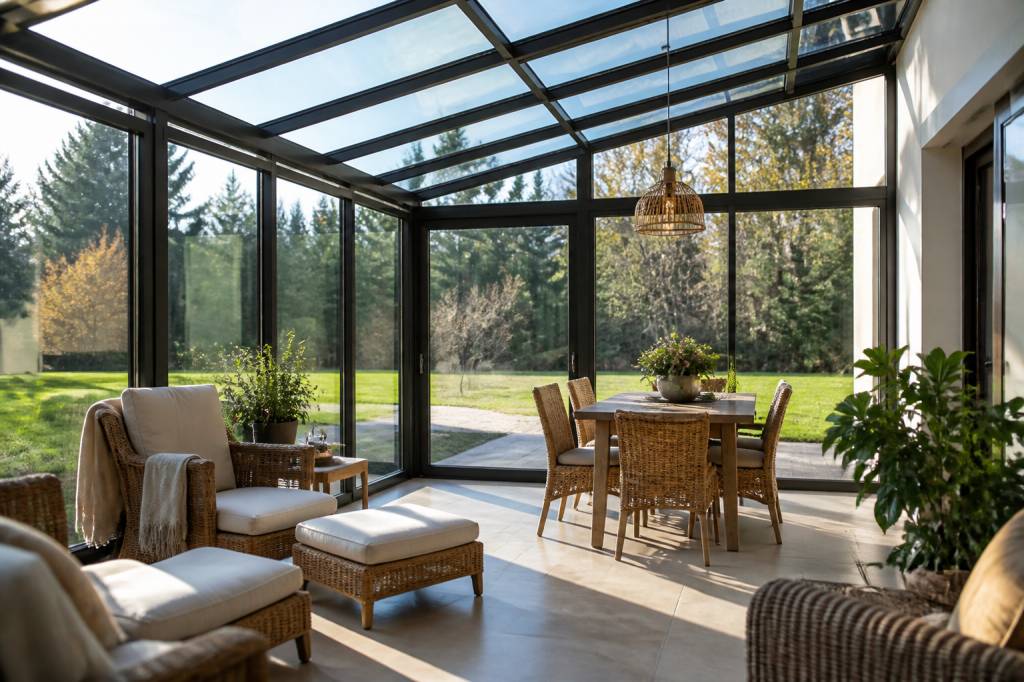
Why a Solarium Makes Sense for Homeowners
A solarium can completely change how a home feels. It brings in natural light, creates a bright year-round retreat, and adds a space that can work as a reading nook, breakfast room, plant haven, or even a place to unwind after a long day. If you’ve ever looked at a room and thought, “This needs more sunlight and less cave,” a solarium is probably the answer.
Unlike a basic sunroom, a solarium is built to maximize glass coverage, often with a roof and walls designed to capture as much daylight as possible. That means more warmth, more brightness, and a stronger connection to the outdoors. But it also means more planning. Glass looks simple from the outside; the construction behind it is not exactly a weekend paint job.
This guide walks through the key steps, materials, design choices, and practical details homeowners should understand before starting a solarium project.
What a Solarium Is, and What It Is Not
A solarium is a glazed structure attached to a house or built as a separate enclosure, typically featuring large glass panels and a glass or translucent roof. The main goal is to flood the space with daylight while maintaining comfort and usability across seasons.
People often confuse solariums with sunrooms or greenhouse-style additions. The difference is usually in the amount of glazing and the intended use. A solarium leans heavily toward visual openness and sunlight, while a sunroom may use more insulated wall space and feel closer to a conventional room.
If your goal is a bright indoor-outdoor experience, a solarium fits beautifully. If your goal is a fully private, highly insulated room with standard walls and fewer thermal headaches, you may want to compare it carefully with other addition types.
Start With the Right Questions
Before choosing glass thickness or roof framing, step back and define the purpose of the space. A solarium designed for morning coffee has different requirements than one intended as an all-season dining room.
Ask yourself:
- Will the solarium be used year-round or only in mild weather?
- Do you want a space for relaxing, entertaining, gardening, or working?
- How much privacy do you need?
- Is the structure attached to the home or freestanding?
- How much maintenance are you willing to handle?
These questions matter because they influence the roof style, ventilation strategy, flooring choice, and even the type of glass. A beautiful solarium that turns into an oven in July is not a dream room; it is a lesson in poor planning.
Check Local Building Codes and Permits Early
One of the biggest mistakes homeowners make is jumping straight into design. A solarium is a structural addition, and most municipalities require permits, inspections, and compliance with local building codes. Depending on your location, rules may cover setbacks, energy performance, snow loads, wind loads, and even how much glass is allowed in certain areas.
It is smart to check with your local building department before buying materials or hiring a contractor. If the solarium attaches to the house, you may also need to consider how the new structure affects the existing foundation, roofline, drainage, and egress requirements.
This is the boring part that saves you money later. Nobody likes paperwork, but replacing a non-compliant structure is significantly less fun.
Choose the Best Location on the Property
Placement has a major impact on comfort and energy use. A south-facing solarium may capture excellent winter sun, but it can also overheat in summer if shading and ventilation are not well planned. East-facing rooms get lovely morning light, while west-facing spaces can become intensely hot in the afternoon. North-facing options are softer and more even, though they may feel cooler and receive less direct sunlight.
Think about the landscape around the home as well. Large trees can reduce heat gain and glare, but they may also block desirable light. Nearby structures can limit views or privacy. Drainage is another key issue. A solarium should never sit where water naturally pools after heavy rain.
In practical terms, the best location is usually the one that balances daylight, comfort, and construction simplicity. Sometimes the most photogenic spot is not the easiest or most efficient place to build.
Plan the Structure Before You Think About the Glass
Glass gets all the attention, but the structure underneath carries the real load. A solarium needs a foundation, framing, roof support, and connection details that work together as one system. If any part of that system is weak, the room will show it quickly.
For the foundation, the main goal is stability and proper load distribution. In many cases, a concrete slab, frost-protected footing, or crawlspace support may be used depending on the climate and design. A structural engineer or experienced contractor can help determine the right approach.
Framing can be aluminum, vinyl, wood, steel, or a hybrid system. Aluminum is popular for its strength and slim profile. Wood offers warmth and easy customization but requires more maintenance. Steel is strong but less common in typical residential solariums because of cost and detailing demands. The right choice depends on budget, climate, and style.
Select Glass With Comfort in Mind
This is where many projects succeed or fail. Homeowners often focus on “more glass” without asking how that glass will perform. In a solarium, glazing affects temperature, glare, privacy, sound, and energy bills.
For most residential projects, insulated glass units are the starting point. Double-pane or even triple-pane glass can help control heat loss and reduce condensation. Low-E coatings improve thermal performance by reflecting unwanted heat while still allowing daylight in. In hot climates, solar-control glass can make the room much more usable during peak sun hours.
Safety matters too. Overhead glass and large panels should meet applicable safety standards. Tempered or laminated glass is often used in areas where impact risk is higher. If a child’s soccer ball has ever found its way into your yard, you already know why that matters.
Here are some glazing features to consider:
- Low-E coatings for energy efficiency
- Double- or triple-pane insulation
- Laminated glass for added safety and sound reduction
- Tempered glass for impact resistance
- Tinting or solar-control options for glare management
Do Not Ignore Ventilation and Temperature Control
A bright room is wonderful. A room that traps heat like a car with rolled-up windows is not. Proper ventilation is essential in a solarium, especially because large glass surfaces naturally amplify heat gain.
Operable windows, roof vents, ceiling fans, and cross-ventilation strategies can help keep air moving. In hotter climates, you may also want mechanical cooling or a connection to the home’s HVAC system. In colder climates, supplemental heating may be needed during winter use.
Think of the solarium as a space that needs climate design, not just decorative design. The best rooms feel good at 9 a.m. and 3 p.m., not only in the perfect light for a social media photo.
Choose Materials That Match the Climate
The right materials depend heavily on where you live. A solarium in a snowy region faces different challenges than one in a humid coastal climate. Moisture resistance, thermal movement, UV exposure, and corrosion all affect performance over time.
For the frame, powder-coated aluminum resists corrosion and works well in many climates. Vinyl can offer decent insulation and lower cost, though it may have limitations in larger spans. Wood can be excellent visually, but it needs regular maintenance to avoid rot, warping, and seal failures.
Sealants, flashing, and fasteners matter just as much as visible surfaces. A high-end glass package will not save a project if water seeps in around a poorly flashed connection. In building work, the hidden details are usually the ones that decide whether a room lasts five years or twenty-five.
Foundation and Drainage: The Unseen Essentials
Every good solarium starts with a solid base. The foundation must support the weight of the structure while keeping it level and stable over time. Because glass tolerates movement poorly, even small shifts can cause problems with seals, frames, and alignment.
Drainage is equally important. Water should move away from the structure, not toward it. That means proper grading, gutters, downspouts, and sometimes drainage pipes or swales. If the site has poor drainage, fix that before construction begins. Building over bad drainage is like putting a nice rug over a leak and pretending it is a strategy.
If the solarium is attached to the home, pay close attention to the transition between the existing building and the new addition. This is one of the most leak-prone areas in any addition, and careful flashing is non-negotiable.
Interior Finishes Should Be Practical, Not Just Pretty
Inside the solarium, materials need to handle light, temperature changes, and possible moisture. Flooring is one of the biggest decisions. Tile, polished concrete, and engineered materials often work well because they tolerate sunlight and temperature swings better than some soft finishes.
Wood flooring can look beautiful, but direct sun may cause fading or expansion issues. Area rugs are a good way to add warmth without committing the floor to a full-time battle with UV rays. For walls and trim, choose finishes that are easy to clean and resistant to fading.
Furnishings should also be selected with the sun in mind. Fabrics that fade quickly and materials that warp in heat will make the space harder to enjoy. A solarium should feel relaxed, not precious.
Lighting, Privacy, and Shade Control
Because solariums rely on daylight, the right artificial lighting is often overlooked. But evening use matters too. Layered lighting with dimmable fixtures can make the space usable after sunset without destroying the airy feel.
Privacy is another key consideration. Full glass can feel exposed, especially if the solarium faces neighbors or a street. Options include frosted sections, interior shades, exterior screens, landscaping, or smart glass solutions depending on budget.
To control glare and heat, homeowners often use:
- Interior blinds or shades
- Exterior awnings or retractable screens
- Low-E or tinted glazing
- Strategic landscaping for seasonal shade
- Window film for additional solar control
Shading is not a sign that the design failed. It is a sign that someone planned for real life.
DIY or Hire a Pro?
That depends on the scope. A small, prefabricated solarium kit may be suitable for an experienced DIYer with solid carpentry skills. But full-size additions involving foundations, structural framing, roof tie-ins, electrical work, and code compliance are usually better handled by professionals.
Here is a simple rule: if the project affects the structure of the house, the building envelope, or drainage, it is probably beyond casual weekend labor. You can still be involved as the homeowner, but bringing in qualified help can prevent costly mistakes.
Many homeowners choose a hybrid approach. They hire professionals for structural and mechanical work, then handle painting, decorating, and furnishing themselves. That is often the best balance of cost control and peace of mind.
Typical Cost Factors to Expect
Solarium costs vary widely based on size, materials, custom features, and labor rates in your area. A prefabricated system will usually cost less than a fully custom build, but custom options often provide better integration with the home and better long-term performance.
Major cost drivers include:
- Foundation type and site preparation
- Frame material and structural complexity
- Type of glazing and energy-performance package
- Roof design and waterproofing details
- HVAC, electrical, and ventilation features
- Interior finishes and flooring
It is wise to budget a contingency for changes. Once work begins, homeowners often discover hidden issues such as old siding damage, uneven existing slabs, or unexpected drainage corrections. That does not mean the project is going off the rails; it means the walls are finally telling the truth.
How to Keep a Solarium Comfortable and Low-Maintenance
Long-term satisfaction comes down to maintenance and smart habits. Clean the glass regularly so the room keeps its brightness. Check seals, flashing, and gutters at least once a year. Make sure venting systems are working properly before the hottest and coldest parts of the season.
If the room gets a lot of direct sun, protect furnishings with UV-resistant fabrics or window coverings. If condensation appears in winter, that may signal poor ventilation or an insulation issue. Catching these signs early is far cheaper than repairing water damage later.
A well-built solarium should feel easy to enjoy. When it starts becoming a maintenance burden, there is usually a fixable cause—often ventilation, drainage, or glazing performance.
Design Tips That Make the Space Feel Finished
The best solariums do not feel like an afterthought. They feel connected to the home in both style and function. Matching trim details, coordinating flooring transitions, and repeating a few colors from the main house can help the new space feel intentional.
Keep furniture proportions in check. A room surrounded by glass can feel visually light, so oversized bulky furniture may dominate it. A mix of low-profile seating, a small table, and a few natural textures often works better than trying to cram in a living-room set built for a mountain lodge.
Plants can be a great addition, but choose varieties that suit the light level and temperature swings. A solarium is not a botanical escape room unless you plan for it properly.
What Success Looks Like
A successful solarium does more than add square footage. It changes how the home is used. It becomes the room where people naturally gather, where morning light feels better than the coffee, and where the boundary between indoors and outdoors becomes pleasantly blurry.
The key is balance: enough glass for the effect you want, enough insulation for real comfort, and enough planning to keep the space practical. When those pieces come together, the result is one of the most rewarding additions a homeowner can make.
If you are considering a solarium, start with the climate, the structure, and the intended use. The design will follow. And if it is done well, this may become the space everyone heads to first, whether they are carrying a book, a cup of tea, or just looking for the best seat in the house.