
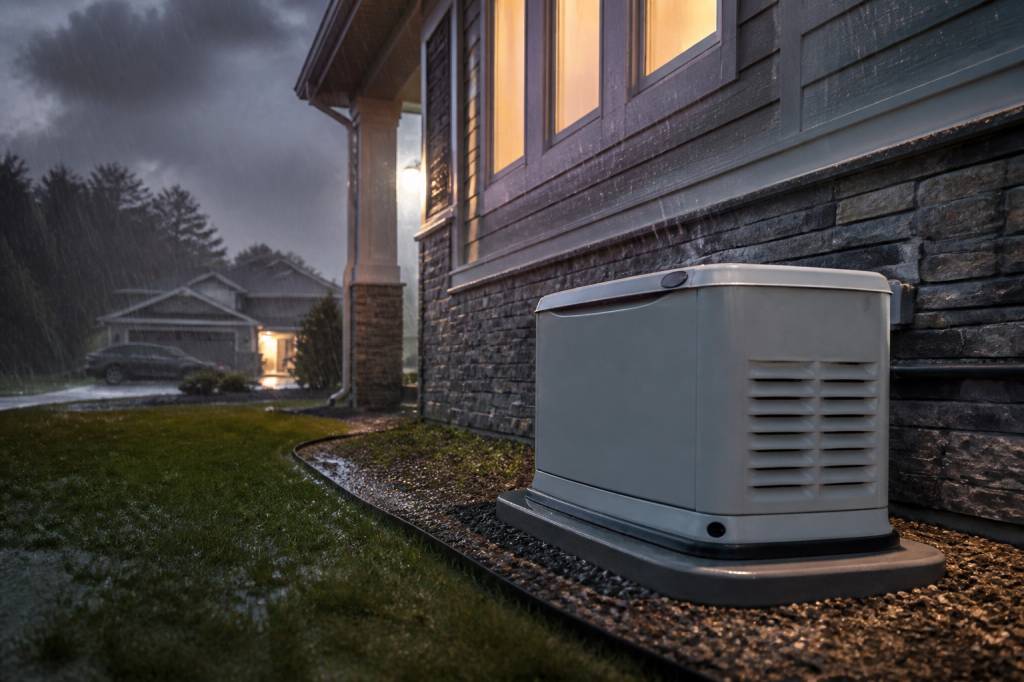
When the power goes out, a standby generator quietly becomes the most important machine on your property. No scrambling for flashlights. No spoiled food. No frozen pipes in winter or a sweltering house in summer. Just steady backup power that kicks in automatically and keeps the essentials running. For homeowners who want real peace of mind, installing a standby generator is one of the smartest upgrades you can make.
If you have ever sat in the dark waiting for utility power to return, you already understand the appeal. A portable generator can help in a pinch, sure, but a standby system is a different level of convenience and reliability. It is permanently installed, connected to your home’s electrical system, and designed to start on its own when an outage hits. In other words: less hassle, more protection.
What a standby generator actually does
A standby generator is a fixed power source installed outside your home, usually on a concrete or composite pad. It is connected to a fuel supply such as natural gas or propane, and it works with an automatic transfer switch. When the utility grid fails, the transfer switch detects the outage, disconnects your home from the grid, and tells the generator to start. Once power is restored, the system shuts itself down and switches your house back to normal service.
That automatic process is what makes standby generators so useful. There is no need to wheel equipment out of the garage in the rain, no extension cords snaking through doors, and no guessing whether your freezer is safe. The system does the work for you, which is exactly what most people want during an emergency.
In a typical setup, a standby generator can power selected circuits or the whole home, depending on the size of the unit and the load calculation. Some homeowners only want the basics covered: refrigerator, furnace, sump pump, lighting, internet, and a few outlets. Others prefer full-house coverage so life continues almost normally. The best choice depends on your budget, fuel source, and how you live day to day.
Why whole-home backup power is worth considering
Power outages are inconvenient at best and expensive at worst. A short outage can ruin groceries. A longer outage can stop a sump pump, which is bad news if your basement has a habit of collecting water. In cold climates, losing a furnace for even a few hours can become a serious problem. If you work from home, the outage can also mean lost productivity and a very unhelpful laptop battery warning.
Standby generators help reduce those risks. They keep critical systems running automatically, which is especially valuable for families with young children, elderly relatives, medical equipment, or anyone who simply cannot afford long disruptions. They also protect against the small but annoying chain reaction that starts when power fails: alarms stop, internet drops, phone charging slows, and suddenly the entire household starts operating like it is 1997.
There is also the comfort factor. Climate control, hot water, lighting, and refrigeration all matter more than people realize until they are gone. A properly sized standby generator keeps daily life calm during an outage, which is often the real selling point.
Choosing the right size for your home
One of the most important steps is sizing the generator correctly. Bigger is not always better, and undersizing is a mistake you will notice immediately when the system cannot handle the load.
The right generator depends on what you want to power. A small unit might handle essentials like refrigeration, lights, outlets, internet, and a gas furnace. A larger whole-home model can support air conditioning, electric cooking, well pumps, and multiple large appliances at once. The key is to add up the running and starting wattage of the items you want to operate.
Here is a simple way to think about it:
For example, a family in a suburban home might want to keep the refrigerator, gas furnace blower, sump pump, Wi-Fi, several lights, and a TV running. That setup often fits within a smaller standby system. But if the same household also wants central air conditioning, an electric water heater, and a range during summer outages, they will need a much more capable unit.
This is where a professional load calculation pays off. It helps prevent expensive guesswork. If you are unsure, do not rely on the old “just buy the biggest one” strategy. That method is great for pizza, not for electrical design.
Fuel type and runtime considerations
Most residential standby generators run on natural gas or propane. Natural gas is convenient if your home already has service, because it offers a continuous supply with no refueling. That means longer outages are less of a problem, since the generator can keep running as long as the gas utility remains active.
Propane is a strong option where natural gas is unavailable. The downside is that runtime depends on tank size and fuel level. If you choose propane, make sure the tank is properly sized for the generator and expected outage duration. It is a poor feeling to have a perfectly installed system that goes silent because the tank was undersized.
Diesel units exist too, though they are less common in typical homes. They are often used where larger loads, extended runtime, or existing diesel infrastructure make sense. For most residential installs, natural gas or propane will be the practical choices.
Where to place the generator
Placement matters more than many homeowners expect. A standby generator needs proper clearance, ventilation, and access for maintenance. It also needs to be located far enough from windows, doors, and air intakes to keep exhaust from entering the home. This is not a corner of the yard kind of decision.
Common placement factors include:
A flat, stable pad is usually used to support the unit. The area should also allow for safe fuel and electrical connections. If your yard slopes heavily or tends to collect water, site prep becomes even more important. A generator that sits in a puddle is not living its best life.
The transfer switch is the heart of the system
The automatic transfer switch is what makes the generator system truly “standby.” It separates your home from the utility grid during an outage and routes generator power to the selected circuits or the whole panel, depending on the setup.
This component is not optional. It prevents dangerous backfeeding into the utility lines and ensures the generator only powers the circuits it is designed to support. It also tells the generator when to start and stop. In a lot of ways, the transfer switch is the brains of the operation.
There are two common approaches:
The right choice depends on generator size and household demand. If your generator is large enough, whole-house coverage can be the simplest and most comfortable option. If not, a managed system still gives excellent backup power without overspending on equipment you do not need.
What the installation process usually involves
Installing a standby generator is not a casual weekend project. It is a coordinated job that involves electrical work, fuel connections, permitting, and often inspection. The exact steps vary by region and equipment, but the overall process usually looks something like this.
First, the installer evaluates the site and determines the right location, size, and fuel source. Next comes the load calculation and equipment selection. After that, permits are pulled and the pad is prepared. Once the generator arrives, it is set in place, connected to fuel and electrical service, and wired to the transfer switch.
After the physical installation, the technician tests the system. This includes simulating a power outage, checking startup behavior, verifying transfer switch operation, and confirming that everything shuts down correctly when utility power returns. It is not enough for the unit to start; it has to start reliably, transfer safely, and support the intended loads without overworking itself.
For homeowners, the biggest decision is whether to hire a licensed installer or attempt part of the work themselves. While some handy owners may handle pad prep or landscaping cleanup, the electrical and fuel connections should be left to qualified professionals. Mistakes here can be dangerous and expensive, and they are rarely as “DIY-friendly” as online videos make them look.
Permits, inspections, and code compliance
Standby generator installations are usually regulated by local building and electrical codes. Depending on where you live, you may need permits for electrical work, gas piping, or both. Some areas also require mechanical or zoning approval, especially if the generator is close to property lines or in a noise-sensitive neighborhood.
Inspections are not just red tape. They confirm that the equipment was installed safely and in line with manufacturer specifications. That matters for your home insurance, your warranty, and your own peace of mind. Skipping permits may seem like a shortcut, but it can create major headaches later if you sell the home or need service support.
If your municipality has specific rules about noise levels, setbacks, or fuel tanks, address those early. It is far easier to solve a compliance issue before the concrete pad is poured than after the generator is already sitting in place.
Maintenance is what keeps the system ready
A standby generator is only useful if it works when needed. That is why maintenance matters. The good news is that these systems are built to be low-maintenance, but “low-maintenance” is not the same as “no maintenance.”
Most units perform regular self-tests automatically. Even so, homeowners should keep an eye on basic items such as:
Seasonal checks are a smart habit. Before winter storm season or hurricane season, make sure the generator is clear of leaves, snow, and clutter. Test alerts, review fuel levels, and confirm the unit has not thrown any error codes. A five-minute inspection can save you from a very long night.
Common mistakes homeowners make
One common mistake is sizing based on wishful thinking instead of actual electrical demand. Another is placing the generator too close to the house or in a poorly drained area. Some homeowners forget about the fuel system and only think about the generator itself, which is a bit like buying a car and forgetting it needs roads.
Other frequent issues include:
The best way to avoid these problems is to treat the project like a system, not just an appliance purchase. Generator, transfer switch, fuel supply, electrical panel, site conditions, and local code all need to work together.
Is a standby generator the right investment for your home?
For some households, a standby generator is a convenience upgrade. For others, it is a practical necessity. If outages are rare and short where you live, you may only need a simpler backup plan. But if your area deals with storms, ice, heat waves, grid instability, or long utility interruptions, a standby generator can be a very worthwhile addition.
It is especially valuable if your home has a sump pump, well pump, sensitive medical equipment, electric gates, or a work-from-home setup that cannot go offline every time the weather turns ugly. It is also one of those upgrades that becomes easier to appreciate after the first serious outage, when your house stays powered and the neighbors are borrowing candles.
A properly planned installation gives you more than electricity. It gives you stability, comfort, and fewer surprises when the grid goes down. And in homeownership, fewer surprises is usually a very good thing.
If you are considering a standby generator, start with a load assessment, check your fuel options, and talk to a licensed professional about code requirements and placement. That upfront planning is what turns backup power from an idea into a system you can actually rely on.