Gfci how it works in home electrical systems
What a GFCI actually does
A GFCI, or Ground Fault Circuit Interrupter, is one of those small electrical devices that quietly does a very big job. Its purpose is simple: protect people from electric shock. If you have ever wondered why bathrooms, kitchens, garages, basements, and outdoor outlets often have that “Test” and “Reset” button, this is the reason.
In plain terms, a GFCI watches the flow of electricity in a circuit. When everything is working normally, the current leaving the outlet on the hot wire should return on the neutral wire. A GFCI compares those two values constantly. If it senses that even a tiny amount of electricity is “escaping” somewhere else, it shuts the power off in a fraction of a second.
Why does that matter? Because that escaped current may be traveling through a person, water, or a damaged appliance. In other words, the GFCI is not protecting your toaster. It is protecting you.
How a GFCI works inside the circuit
The easiest way to picture a GFCI is to imagine a traffic counter at two points on a road. One counter tracks how many cars go out; the other tracks how many come back. If the numbers do not match, something is wrong. A GFCI works on a similar principle using electrical current.
Inside the device, the hot wire and neutral wire pass through a sensing coil. Under normal conditions, the current on both wires is balanced. The magnetic fields created by those currents cancel each other out. But if some current takes an unintended path, the balance changes. The coil detects this imbalance and triggers the internal switch to open the circuit.
That trip happens fast, usually in milliseconds. Fast enough to reduce the risk of severe shock. This is why GFCIs are required in locations where water and electricity are more likely to meet. And as anyone who has ever dropped a hair dryer near a sink knows, that is not a combination you want to test casually.
Why ground faults are dangerous
A ground fault occurs when electricity leaves its intended path and flows to ground through something other than the normal circuit return. That “something” could be a metal appliance case, a damp floor, a wet countertop, or a person. The danger is not just the current itself, but where it goes.
Electricity always wants a path back to its source. If a cord is damaged or an appliance has an internal fault, the metal frame can become energized. Touch that frame while also touching another grounded surface, and your body may become part of the path. That is exactly the kind of event a GFCI is designed to interrupt.
Standard breakers and fuses protect wiring from overheating and fire. They do not respond to small leakage currents the same way a GFCI does. That is an important difference. A breaker may not trip during a shock hazard, but a GFCI usually will.
Where GFCIs are used in modern homes
In most homes, GFCI protection is required in areas where moisture, concrete floors, or outdoor exposure increase the risk of shock. The National Electrical Code has expanded these requirements over the years, and for good reason.
- Bathrooms
- Kitchens
- Garages
- Basements and crawl spaces
- Outdoor outlets
- Laundry areas
- Near sinks
- Boathouses and similar damp locations
Some homes have GFCI outlets installed directly at the point of use. Others use a GFCI breaker in the electrical panel to protect an entire circuit. Both methods work, but they serve slightly different purposes. A breaker is useful when you want multiple outlets on one circuit protected at once. A receptacle-style GFCI is often easier to install during a remodel or when upgrading a specific location.
GFCI outlet vs. GFCI breaker
If you are planning a renovation, it helps to know the difference between these two common options.
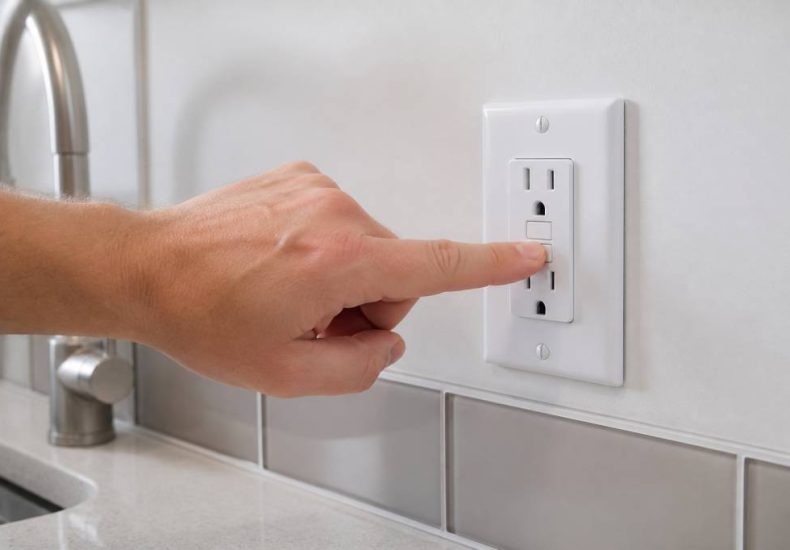
A GFCI outlet looks like a regular receptacle but includes test and reset buttons on the face. It protects itself and can also protect downstream outlets connected to its load terminals. That means one device can safeguard several receptacles in the same run, if wired correctly.
A GFCI breaker fits into the electrical panel and protects the whole circuit from there. This approach is neat, centralized, and often preferred when a circuit feeds multiple outlets in a wet area. If the breaker trips, all outlets on that circuit lose power until it is reset at the panel.
Which is better? It depends on the layout of the home. If one bathroom outlet needs protection, a GFCI receptacle may be the simplest choice. If an entire garage circuit needs protection, a breaker can be more practical. In real-world projects, the best solution often comes down to access, wiring, and how the circuit is used.
What the test and reset buttons are for
Those two little buttons are not decoration. They are there so you can verify the GFCI is doing its job.
The test button intentionally creates a small imbalance inside the device. When you press it, the GFCI should trip and cut power to the receptacle and any downstream outlets it protects. The reset button restores power after the trip.
If you press test and nothing happens, that is a warning sign. The device may be faulty, improperly wired, or no longer providing protection. This is one of those moments where ignoring the issue is a bad plan. A dead GFCI is a bit like a smoke detector with no battery: it looks reassuring until you need it.
As a general habit, it is wise to test GFCIs periodically. Many electricians recommend doing it monthly. It takes only a few seconds and can reveal a problem before it becomes a hazard.
Common reasons a GFCI trips
Not every trip means the outlet is broken. In fact, a GFCI that trips is often doing exactly what it was designed to do. Still, frequent trips are worth investigating.
- Moisture in the outlet or appliance
- Damaged cords or plugs
- Worn-out appliances with internal leakage
- Incorrect wiring on the load side
- Too many devices plugged into a damp area
- A failing GFCI device
For example, an outdoor outlet may trip after a heavy rain because water has entered a weatherproof box or extension cord connection. In a laundry room, a washing machine with a compromised heating element or motor issue can cause nuisance tripping. In a kitchen, a coffee maker with moisture inside can do the same thing.
The key is not to keep resetting the device blindly. If it trips once, fine. If it trips repeatedly, find the cause. A GFCI is trying to tell you something, and unlike a noisy power tool, it usually has a good reason.
Signs that a GFCI may need replacement
Like any electrical component, GFCIs do not last forever. They wear out over time, especially in busy homes or areas exposed to humidity and temperature swings.
Watch for these signs:
- The test button does not trip the outlet
- The reset button will not stay in
- The outlet feels warm or looks discolored
- The device trips constantly without an obvious cause
- Power is intermittent or unreliable
Most GFCI devices are not expensive, and replacing an old or questionable one is a smart maintenance move. In renovation work, I have seen plenty of “mystery electrical problems” disappear after a tired GFCI was swapped out. Sometimes the fix really is that simple.
How GFCI protection fits into a safe home wiring system
A GFCI is one layer of protection, not the whole system. Home electrical safety works best when several safeguards are in place together. Proper grounding, correctly sized breakers, intact insulation, weatherproof boxes, and good installation practices all matter.
Think of it this way: the breaker protects the wiring from overload. The GFCI protects people from ground faults. The grounding system provides a safe path for fault current. When all three are working correctly, the system is much safer and more reliable.
This is also why DIY wiring should be approached carefully. A GFCI may be installed in a box that looks straightforward, but the line and load connections must be correct. Reverse those, and the outlet may not protect downstream receptacles properly. It might still supply power, which can make the problem easy to miss. That is one reason why a quick visual inspection is not always enough.
How to know whether an outlet is protected
Sometimes homeowners assume that if one nearby outlet has a GFCI button, the whole room is protected. Not always.
To check, press the test button on the GFCI receptacle and see which outlets lose power. If several outlets go dead, they may be downstream on the load side. If only one outlet trips and everything else stays on, then protection may be limited to that device only.
Another clue is labeling. Properly installed GFCIs often include a note on protected downstream outlets. That said, labels can be missing or outdated after remodels. If there is any doubt, testing is better than guessing.
For older homes, this is especially important. Many properties were built before today’s GFCI requirements. During upgrades, an electrician may need to add protection in selected areas to bring the home closer to current safety standards.
Practical tips for homeowners
If you want to keep your home electrical system safer without turning it into a weekend science project, a few simple habits go a long way.
- Test GFCIs regularly using the built-in buttons
- Replace damaged cords and cracked plugs right away
- Use outdoor-rated covers and boxes outside
- Keep appliances dry near sinks, tubs, and laundry areas
- Do not ignore repeated tripping
- Call a licensed electrician if wiring looks uncertain
Also, remember that extension cords are not a long-term wiring solution. In wet or semi-wet areas, they add unnecessary risk. If a GFCI keeps tripping because of a corded tool or appliance, it may be time to rethink the setup rather than defeat the protection.
Why GFCIs matter in renovations and new builds
For new construction, GFCI protection is part of building a home that meets modern safety expectations. For renovations, it is often one of the highest-value upgrades you can make for very little money.
When you are updating a bathroom, adding a garage workshop, or finishing a basement, it is the perfect time to check the electrical layout. A simple outlet swap can add a major layer of protection. In larger projects, upgrading the panel or circuit layout may be the better move. Either way, the goal is the same: reduce shock risk where people live and work.
One thing I have learned on job sites is that the safest system is the one people actually use correctly. GFCIs help with that because they are automatic. No special training, no reminder app, no heroic effort. If a fault happens, the device reacts on its own. That kind of quiet reliability is exactly what homeowners need.
Final thoughts for everyday use
GFCIs may seem like small details in a house full of bigger decisions, but they play a huge role in electrical safety. They work by sensing imbalance in the current, and they shut off power when electricity starts going where it should not. That simple function helps prevent shocks in the places where water, concrete, and appliances create the most risk.
If you are renovating, maintaining, or simply living in your home, it is worth paying attention to these devices. Know where they are, test them regularly, and replace them when needed. A few minutes of attention can make a real difference.
And if you ever find yourself staring at a mysterious outlet with two buttons on the face, now you know: that little box is not just there to decorate the wall. It is one of the hardest-working safety devices in the house.